

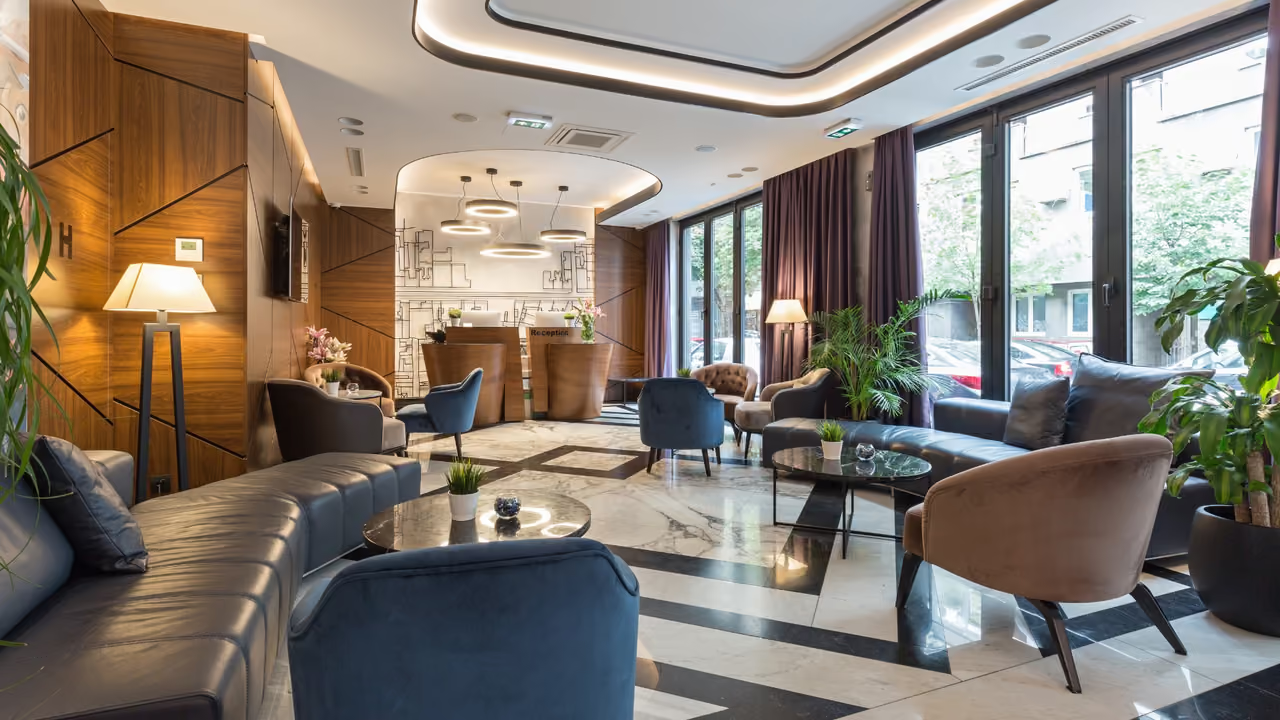
Walking into a hotel lobby often feels like stepping into a carefully scripted scene. The polished floors, uniformed staff, and standardized décor can make you wonder if you’ve been somewhere before. This is the world of big hotel chains—predictable, reliable, but rarely surprising. In stark contrast, boutique hotels are rewriting the script, offering travelers personalized experiences that feel more like staying at a friend’s stylish home than booking a room in a global franchise.
The Rise of Boutique Hotels in the Travel Industry
Over the past two decades, boutique hotels have surged in popularity, carving out a distinct niche within the travel industry. Unlike sprawling chains with hundreds of locations, boutique hotels are typically smaller, ranging from a handful to a few dozen rooms. Their growth reflects a shift in traveler preferences—from cookie-cutter accommodations to unique stays that reflect local culture and individual personality.
Industry reports suggest that travelers, especially millennials and Gen Z, are seeking authenticity and connection, which big chains often fail to deliver. Boutique hotels meet these desires by focusing on design, storytelling, and bespoke services. This trend is no longer limited to major cities; boutique properties are popping up in lesser-known destinations, inviting guests to experience places through a more intimate lens.
Key Elements That Define a Boutique Hotel Experience
What exactly sets a boutique hotel apart? It’s a blend of characteristics, but a few stand out:
- Distinctive Design: Each boutique hotel tells a story through its architecture and interior design. Whether it’s a converted Victorian mansion, a mid-century modern gem, or a sleek contemporary space, the aesthetics are never generic. Local art, handcrafted furniture, and thoughtful details create an atmosphere that feels curated rather than mass-produced.
- Personalized Service: Boutique hotels excel at creating a warm, attentive environment. Staff often know guests by name, anticipate their needs, and tailor recommendations that go beyond standard tourist fare. This human touch fosters a sense of belonging and makes guests feel genuinely cared for.
- Unique Amenities: From private rooftop terraces with city views to in-house yoga studios and bespoke spa treatments, boutique hotels often offer amenities that reflect their individuality and the desires of their guests. Rather than generic pools or gyms, these perks align with the hotel’s personality and guest expectations.
- Local Integration: A boutique hotel often acts as a cultural ambassador, partnering with local artisans, sourcing food from neighborhood producers, and guiding guests to hidden gems rather than crowded landmarks. This connection to place enhances the authenticity of the stay.
How Personalization Enhances Guest Satisfaction
Personalization is the secret sauce that elevates boutique hotels above their larger counterparts. It’s not just about knowing a guest’s name but understanding their preferences and curating experiences accordingly. This could mean arranging a surprise birthday celebration, tailoring breakfast options to dietary needs, or recommending an off-the-beaten-path walking tour based on a guest’s interests.
The impact on guest satisfaction is profound. Personalized service creates emotional resonance, transforming a simple night’s stay into a memorable experience. Guests feel recognized and valued, which encourages loyalty and positive word-of-mouth—two things that boutique hotels rely on heavily since they often don’t have massive marketing budgets.
Technology plays a role, too, but in boutique hotels, it’s used to enhance, not replace, human interaction. For example, some properties use apps or messaging platforms to communicate quickly with guests, enabling requests or feedback to be addressed instantly. Yet, the core remains personal connection.
Case Studies of Standout Boutique Hotels Worldwide
The NoMad Hotel New York
Set in a historic Beaux-Arts building, the NoMad Hotel in Manhattan blends opulent design with a cozy, lived-in feel. Its library-style bar and richly decorated rooms feel more like a private club than a hotel. Staff members are known for their attention to detail, from remembering guest preferences to crafting personalized itineraries. The hotel’s restaurant sources ingredients locally and offers dishes inspired by the surrounding neighborhood, amplifying its sense of place.
Can Bordoy Grand House & Garden, Mallorca
In Spain’s Balearic Islands, Can Bordoy Grand House & Garden offers a lush, intimate retreat. This boutique hotel occupies a restored 18th-century mansion with a garden oasis in the city center of Palma. Personalized touches include in-room aromatherapy options and bespoke wellness programs. The staff’s local knowledge and willingness to customize guest experiences—from private boat trips to art tours—make it a standout example of how personalization can elevate a stay.
The Upper House, Hong Kong
Perched high above the city, The Upper House combines minimalist design with warm hospitality. The hotel’s philosophy centers on creating a sanctuary amid Hong Kong’s bustle. Staff pride themselves on anticipating guest needs, offering everything from personalized yoga sessions to tailored dining experiences. The hotel’s small size and thoughtful design foster a sense of exclusivity and comfort that large chains often struggle to replicate.
Hotel Saint Cecilia, Austin
In the heart of Austin, Texas, Hotel Saint Cecilia channels the city’s eclectic spirit. Each suite is uniquely decorated with vintage and contemporary art, and the property offers an intimate pool, recording studio, and a curated vinyl library. The hotel’s team works closely with guests to personalize the experience, whether arranging private concerts, local brewery tours, or custom menus. This hands-on approach makes every guest feel like a part of Austin’s vibrant creative community.


