

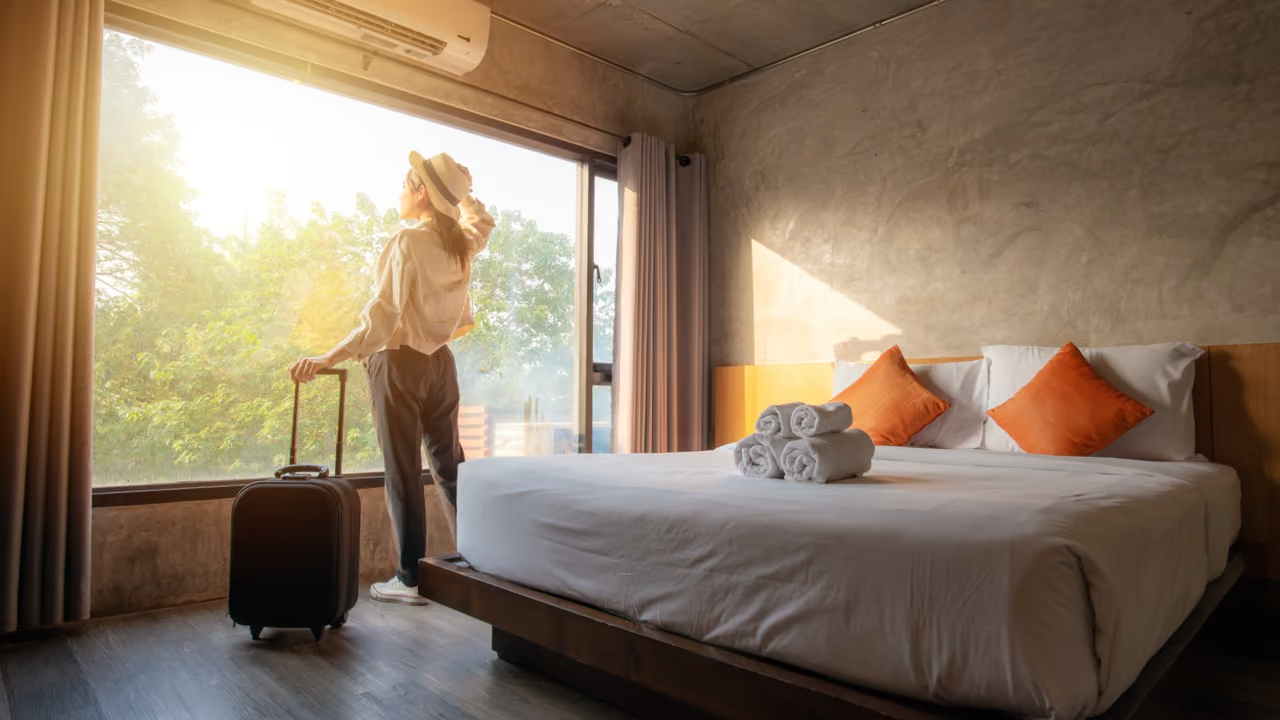
It’s hard to miss the growing buzz around boutique hotels. These aren’t just places to crash for the night; they’re immersive experiences that weave local culture into every corner and cater to travelers craving something beyond the generic. In a world flooded with cookie-cutter chains, boutique hotels offer a refreshing alternative that feels both intimate and authentic.
The Rise of Boutique Hotels in the Hospitality Industry
Over the past decade, boutique hotels have surged in popularity, challenging traditional hospitality norms. Unlike large hotel chains that emphasize consistency and scale, boutique hotels focus on individuality and character. Their smaller size allows for a more intimate atmosphere, which appeals to modern travelers seeking personalized service and unique environments.
This shift aligns with broader travel trends. Today’s travelers prioritize meaningful experiences over mere accommodation. They want to connect with a place’s identity, not just pass through it. Boutique hotels have responded by positioning themselves as cultural hubs rather than just overnight stops, blending accommodation with storytelling and local flavor.
Integrating Local Art, Cuisine, and Traditions into Hotel Design
One of the standout features of boutique hotels is how deeply they embed themselves in their surroundings. This often begins with design. Instead of uniform decor, these hotels showcase local art, crafts, and architecture, turning the property itself into an expression of place.
Take, for example, a boutique hotel in New Orleans that incorporates Creole art and vintage jazz posters into its interiors, or a seaside retreat in Greece that uses locally sourced stone and handcrafted furniture to echo traditional island aesthetics. These choices aren’t just decorative; they tell a story and create a sense of belonging for guests.
Cuisine plays an equally vital role. Boutique hotels often partner with local chefs or source ingredients from nearby farmers and markets. This commitment to local flavors provides guests with a taste of the region’s culinary heritage, making meals a memorable part of the stay rather than an afterthought.
Beyond visual and gastronomic elements, many boutique hotels honor local traditions through events, workshops, or curated tours. Whether it’s a pottery class led by a local artisan or guided hikes exploring indigenous flora, these offerings help guests engage with the culture on a deeper level.
Personalization Beyond the Standard Tailored Guest Experiences
Personalization is more than having your name on a room key or a preferred pillow type. Boutique hotels excel at creating tailored experiences that anticipate and respond to individual preferences, often with a human touch that automated systems can’t replicate.
From the moment a reservation is made, many boutique hotels gather insights into a guest’s interests and needs. This can translate into customized room amenities, bespoke itineraries, or even surprise touches like a favorite book waiting on the bedside table.
Staff at boutique hotels often serve as local guides, offering insider tips that go beyond typical tourist advice. This personal connection transforms a stay into an adventure, where guests feel seen and valued rather than just processed.
Moreover, some boutique properties leverage technology thoughtfully to enhance personalization without losing that intimate feel. Apps or messaging platforms might allow guests to request services seamlessly, but often the core of the experience remains rooted in genuine human interaction.
Challenges and Opportunities for Boutique Hotels in a Competitive Market
Despite their appeal, boutique hotels face unique challenges. Their smaller scale means they lack the marketing budgets and loyalty programs of major chains. Competing for visibility in a crowded marketplace requires creative outreach and authentic storytelling to attract the right audience.
Operationally, maintaining a high level of personalized service demands skilled staff and attention to detail, which can drive up costs. Balancing profitability with the boutique ethos of uniqueness and intimacy isn’t always straightforward.
However, these challenges come with opportunities. The growing desire for authentic, localized travel experiences means boutique hotels can carve out a niche that large chains struggle to fill. By staying nimble and closely connected to their communities, they can adapt quickly to changing traveler expectations.
Additionally, partnerships with local artists, chefs, and cultural organizations not only enrich the guest experience but also strengthen community ties, creating a virtuous circle of support and innovation.
In a hospitality landscape where travelers increasingly seek meaningful connections and individuality, boutique hotels stand out by offering more than just a place to stay—they offer a place to belong.


